Why choose a reusable beeswax wrap over plastic?
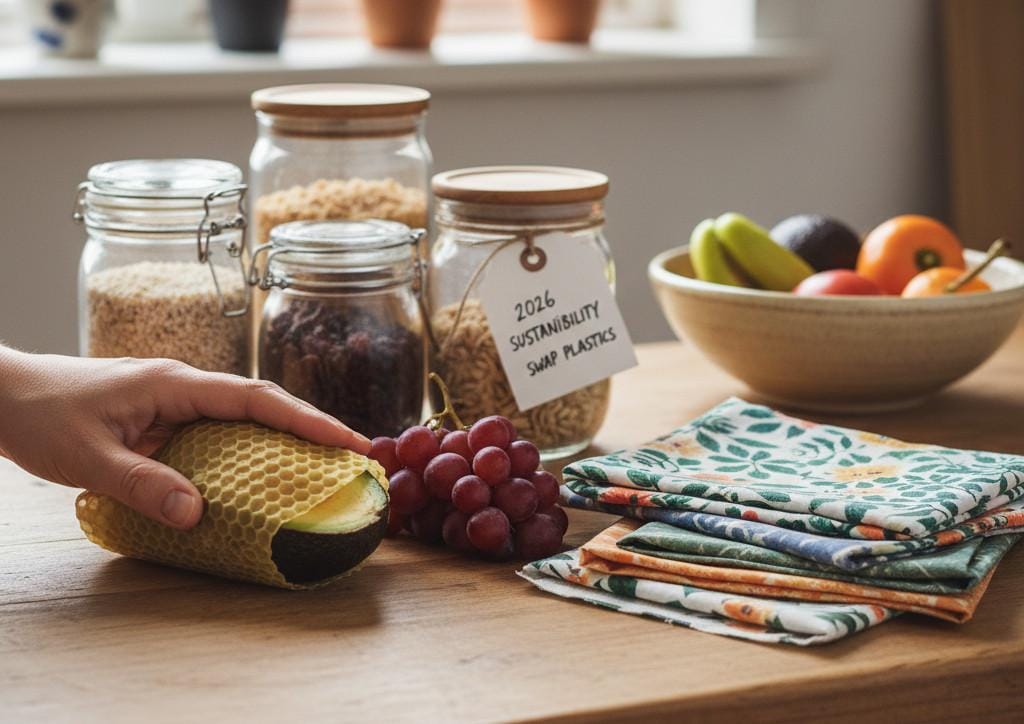
Tired of cling film that tears, sticks and ends up in the bin?
A reusable beeswax wrap is a simple, low waste swap that keeps food fresh while cutting single use plastic. Friendly, flexible and washable, these wraps are gaining popularity because they save money, reduce plastic pollution and add charm to your kitchen.
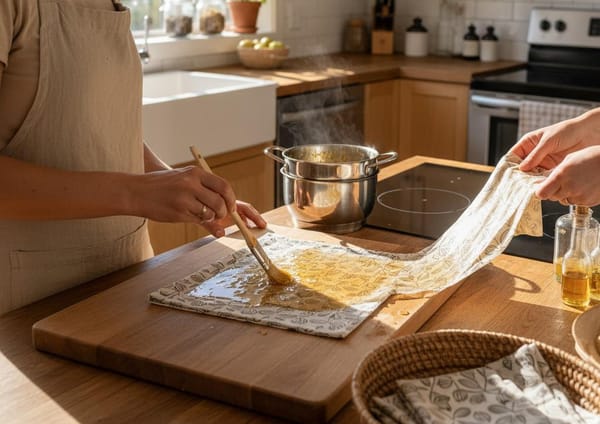
Because they use natural wax and cotton, beeswax wraps offer a compostable alternative to plastic. They mold around bowls and snacks with the warmth of your hands, and they last for months with gentle care. Therefore many households are switching them into daily routines.
In this guide you will learn:
- What a reusable beeswax wrap is and how it works
- Practical tips for cleaning and extending its life
- Which foods it suits and which to avoid
- DIY options and where to buy reliable wraps
By the end, you will know why this small change matters for both your pantry and the planet.
Benefits of Reusable Beeswax Wrap
Switching to an eco-friendly food wrap like beeswax brings practical and psychological wins. First, it reduces single-use plastic in your kitchen and helps cut the waste that ends up in oceans and landfills. As National Geographic highlights, plastic pollution is a growing crisis and small swaps matter: National Geographic.
Practical benefits
- Sustainability: Made from cotton and natural wax, these wraps are compostable and lower plastic demand. Therefore they help reduce long-term waste.
- Cost savings: You buy a set once and reuse it for months, so you spend less than repeatedly buying cling film.
- Food preservation: Beeswax creates a breathable seal that keeps fruits, veggies and cheese fresher longer.
- Ease of use: Warm them with your hands to mold over bowls or snacks; then wash with cool water and mild soap.
Psychological and lifestyle benefits
- Satisfaction: Using natural food storage gives a sense of doing good for the planet and home.
- Kitchen joy: They look attractive, so food prep feels more pleasant and less routine.
- Habit momentum: Small wins encourage further low-waste choices.
Lifestyle quote and resources
As The Guardian notes, "Beeswax wraps are a sustainable alternative to plastic cling film" and can last up to a year with care: The Guardian.
For beginner tips and kitchen use guides see Beginner Tips and Guides and for comparisons with plastic wrap visit Comparisons with Plastic Wrap. Learn how they can save your kitchen here Kitchen Savings.
How to Use Reusable Beeswax Wrap
Using a reusable beeswax wrap is quick and simple. As an eco-friendly food wrap and natural food storage option, it replaces cling film for many tasks. Follow these easy steps to get the best results and a longer lifespan from your wraps.
- Choose the right wrap size for the task. Small wraps suit snacks, medium wraps fit sandwiches, and large wraps cover bowls.
- Warm the wrap with your hands for a few seconds. The slight heat makes the wax tacky and lets the cloth mold to the container or food.
- Press the edges to seal. Use the warmth of your palms to create a snug, breathable seal around bowls or cut produce.
- Store wrapped food in the fridge or pantry as appropriate. Most fruits, vegetables and cheese keep well under beeswax wraps.
- Clean gently after use. Rinse in cool water with mild soap; never use hot water or scrubbers because they degrade the wax.
- Air dry flat before folding. Then store in a dry drawer away from direct heat and sunlight.
Tips for longevity
- Avoid raw meat and fish to prevent cross contamination. Instead, use nonporous containers for those items.
- Refresh older wraps by lightly re-waxing them at home. This restores tack and extends life.
By following these steps you get reliable, natural food storage that feels simple and saves waste.
Comparison: Reusable Beeswax Wrap versus Plastic Wrap
A quick table to compare features, environmental impact, cost, usability and lifespan so you can see why many households swap to natural food storage.
| Feature | Reusable Beeswax Wrap | Plastic Wrap |
|---|---|---|
| Materials | Cotton cloth coated with beeswax, jojoba oil and tree resin | Thin polyethylene or PVC film |
| Environmental impact | Compostable, reduces single-use plastic, lower long-term waste | Single-use, non-biodegradable, contributes to landfill and ocean pollution |
| Cost | Higher upfront cost but economical over months to a year; re-waxing extends life | Low initial cost but repeats purchases make it more expensive over time |
| Usability | Breathable seal, molds to bowls and food with hand warmth; ideal for produce and cheese | Strong cling and airtight seal; handy for many quick tasks and leftovers |
| Lifespan | Months to a year with gentle care; re-waxable to refresh tack | Single-use per piece; roll lasts until used up |
| Care | Rinse in cool water, mild soap, air dry; avoid heat | No care needed; dispose after use |
| Limitations | Not recommended for raw meat or high-heat use | Not eco-friendly; can handle high-heat tasks (with caution) |
This table highlights that reusable beeswax wraps win on sustainability and long-term cost while plastic wrap remains convenient for some uses.
Choosing a Reusable Beeswax Wrap
Choosing a reusable beeswax wrap is an easy swap with big payoffs. It cuts single-use plastic, lowers household waste, and often saves money over months. Plus, it keeps produce, cheese and snacks fresher with a breathable, moulding seal.
Use them daily by warming with your hands, rinsing in cool water and air-drying. Avoid raw meat and high heat, and refresh older wraps by re-waxing to extend life. These small habits make your natural food storage last longer and work better.
Beyond the practical gains, the switch brings simple satisfaction. You feel in control, reduce clutter, and build momentum toward other eco-friendly choices. Therefore, swapping a few rolls of cling film for reusable wraps can change how you shop and store food.
Try one set this week and notice the difference. With consistent use, a reusable beeswax wrap can shrink your plastic waste and help protect oceans and landfills for the future.