How to tell if is cardboard recyclable?
Did you know that Americans recycle about 42 percent of their paper and cardboard each year, yet millions of tons still end up in landfills?
If you’ve ever wondered, is cardboard recyclable and how to make your recycling count, you’re in the right place. This article explains the basics of cardboard recycling — from corrugated boxes and cereal cartons to greasy pizza boxes — and shows how proper sorting, cleaning, and local rules improve recovery rates.
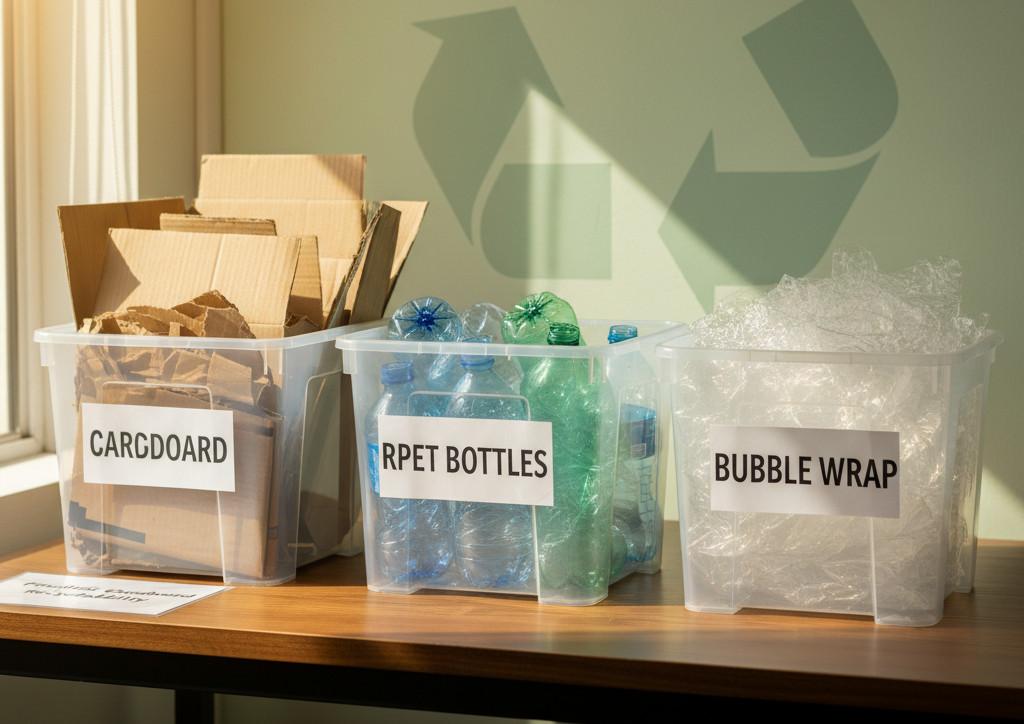
You’ll learn step-by-step tips for prepping cardboard at home, common recycling mistakes to avoid, and how recycled cardboard feeds a circular economy and cuts greenhouse gases. We’ll also compare recycled materials like rPET bottles and discuss when mixed materials or bubble wrap complicate recycling.
By the end, you’ll have clear, practical actions to reduce waste, save resources, and support cleaner curbside recycling in your neighborhood. Ready to get started and make a difference today?
Is Cardboard Recyclable? Understanding How Cardboard is Recycled
Yes. Cardboard is widely recyclable and one of the most valuable curbside materials for local recycling programs. However, recyclability depends on the type of cardboard and how it’s prepared. Below is a clear breakdown of what counts, how the process works, and why it matters.
- Types of cardboard
- Corrugated cardboard: sturdy, fluted layers used for shipping boxes. Highly recyclable and commonly accepted by curbside programs.
- Paperboard and cereal-style boxes: thinner but recyclable when clean and dry.
- Greasy or food-soiled cardboard: pizza boxes with heavy oil or cheese may be composted or trimmed; oil contaminates fiber and can reduce recyclability.
- Coated or laminated cardboard: lined with plastic, wax, or foil; often not recyclable in standard streams.
- How cardboard is recycled (common steps)
- Collection and sorting at curbside or drop-off centers.
- Baling and transport to a paper recycling mill.
- Pulping: cardboard is mixed with water and pulped to separate fibers and remove contaminants.
- Screening and deinking where needed, then drying and pressing into new paper or corrugate.
- Key facts and authority
- The U.S. Environmental Protection Agency provides guidance on common recyclables and the benefits of recycling paper and cardboard: EPA Recycling Guide.
- Industry groups note recycled paper fibers can be reused several times before the fibers get too short to remanufacture; this loop supports a circular economy (see AF&PA): AF&PA Recycling Info.
For practical curbside tips and step-by-step sorting at home, see Curbside Tips. To learn more about how cardboard recycling compares with recycled plastics like rPET bottles, check Recycled Bottles Guide. For a deeper read on general cardboard recycling guidance, visit Cardboard Recycling Guidance.
Environmental Benefits and Impact of Recycling Cardboard
Recycling cardboard delivers big wins for the climate and natural resources. Because cardboard is fiber-rich and widely collected, recycling it saves energy, reduces landfill volume, and keeps valuable trees and water in service longer. Below are clear, evidence-backed benefits you can expect when cardboard is diverted from the trash.
- Energy savings: Recycling paper and cardboard uses significantly less energy than making new paper from virgin wood. In fact, recycling one ton of paper can save enough energy to power the average American home for about six months. Source: U.S. EPA
- Water conservation: Reprocessing paper typically uses far less water than pulping virgin fiber. The EPA notes that recycling paper conserves roughly 7,000 gallons of water per ton compared with virgin production. Source: U.S. EPA
- Greenhouse gas and climate benefits: Nationwide recycling and composting activities saved over 193 million metric tons of CO2 equivalent in 2018; paper and paperboard made up the largest share, reducing over 155 million metric tons of CO2 equivalent. Source: U.S. EPA
- Landfill diversion and material recovery: The U.S. now recovers tens of millions of tons of corrugated cardboard yearly, which diverts large volumes from landfills and lowers methane risk from organic waste. Industry groups report more than 33 million tons of cardboard recycled in recent years, supporting circular markets for new boxes and paper products. Source: American Forest & Paper Association
Quotes from experts
- "Recycling paper and cardboard reduces energy use, conserves water, and lowers greenhouse gas emissions compared with virgin production," U.S. Environmental Protection Agency
- "Strong cardboard recovery helps feed a circular economy for packaging and keeps valuable fiber in use longer," American Forest & Paper Association
Together, these benefits show why sorting and keeping cardboard clean matters. Small acts at home—flattening boxes, removing tape, and trimming greasy parts—add up to measurable environmental gains.
| Type | Common uses | Recyclability | Recycling challenges and notes |
|---|---|---|---|
| Corrugated cardboard | Shipping and moving boxes, e-commerce packaging | Yes — widely accepted | Strong fibers; remove tape and packing material; usually baled for mills |
| Paperboard (folding cartons) | Cereal boxes, shoe boxes, small product cartons | Yes — generally accepted when clean and dry | Thin fibers recycle well; plastic windows or liners may need removal |
| Wax-coated cardboard | Some produce boxes, beverage carriers, disposable trays | Conditional — limited acceptance | Wax can interfere with pulping; some mills accept, others do not |
| Grease-soiled cardboard | Pizza boxes, takeout containers with oil or cheese | Conditional — trim or compost soiled sections | Oil contaminates fibers; clean parts recyclable; soiled parts compostable |
| Laminated or foil-coated cardboard | Gift boxes, insulated packaging, some beverage cartons | Often not recyclable in curbside streams | Laminates separate fibers; requires specialized recycling or ends up in landfill |
CONCLUSION
Yes, cardboard is recyclable and it remains one of the most valuable materials in curbside programs. Recycling cardboard saves energy, conserves water, and cuts landfill volume, while keeping fibers in the circular economy. However, not all cardboard is equal: corrugated boxes and clean paperboard recycle easily, but wax-coated, laminated, or heavily soiled pieces can cause problems and may need special handling or composting.
You can help by taking a few simple steps: flatten boxes to save space, remove packing material and large pieces of tape, and cut out greasy sections from pizza boxes before recycling. Also, check local rules because acceptance varies by community and facility.
Avoid common pitfalls such as stuffing boxes with non-paper packing, tossing coated materials into the bin, or leaving food residue. These mistakes contaminate loads and lower recovery rates.
In short, recycle cardboard properly whenever possible. Your small actions make a measurable difference—reducing emissions, saving water and trees, and strengthening markets for recycled fiber. Start today by prepping your next box before it hits the curb.