How Can You Lower Your Environmental Footprint Today?

Your Environmental Footprint
Your environmental footprint shows how your daily choices affect the planet, and it matters now more than ever. Understanding this footprint helps you see the impact of what you buy, eat, and discard. Because simple swaps reduce waste, small actions add up fast.
Choosing Reusable Materials
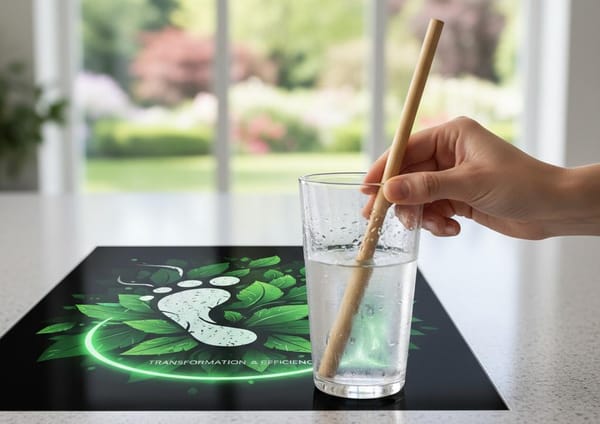
Reusable materials such as metal, glass, and bamboo often cut single-use plastic use and lower long-term waste. Moreover, learning where your energy and resources go makes sustainability feel doable rather than distant. This piece explores practical choices that shrink your footprint and save money and resources.
Making Smarter Swaps
You will learn why material choice matters and how reusable straws fit into a bigger picture. Also, we explain what to consider when picking items for daily use. By the end, you should feel equipped to make smarter swaps at home, work, and on the go.
Adapting to Different Lifestyles
However, change is not one-size-fits-all, so we offer simple steps for different lifestyles. Ready to reduce your environmental footprint and protect the planet? Let’s get started.
Understanding Your Environmental Footprint
An environmental footprint measures the total impact your actions have on the planet. It captures energy use, waste, travel, and resource consumption. Because it links everyday choices to global outcomes, your environmental footprint turns abstract problems into clear steps you can change.
Individuals and organizations both shape these impacts. For example, households influence demand through diets and heating, while businesses set supply chain rules and product lifecycles. Therefore, small shifts at home and policy or procurement changes at work can lower emissions, conserve water, and cut landfill waste.
Key factors that contribute to an environmental footprint include:
- Energy usage including electricity, heating, and industrial power
- Transportation from daily commutes to long-haul flights
- Waste and single-use plastics such as packaging and disposable items
- Water consumption for homes, agriculture, and manufacturing
- Food choices and diet, especially meat and dairy consumption
- Products and manufacturing including materials, packaging, and product lifespan
Because organizations operate at scale, their choices multiply effects. For instance, switching to renewable materials or offering reusable straws reduces plastic waste and life-cycle emissions; learn practical steps at here. Moreover, case studies show how renewable materials lower carbon burdens: here and how they cut plastic waste: here.
As UN Environment Programme Executive Director Inger Andersen put it, "We need to think smartly about our footprint, whether it's on the climate side, or whether it's on the biodiversity side." See the full statement at here.
Measuring and Reducing Your Environmental Footprint
Measuring your environmental footprint starts by tracking where energy, materials, and waste flow in daily life. Tools such as carbon footprint calculators and life cycle assessments estimate greenhouse gas emissions tied to products, travel, and electricity. Therefore, measuring gives you clear targets and shows which changes yield the biggest gains.
Many organizations and individuals translate results into a carbon footprint number to compare actions. For example, transport and energy are major sources of emissions globally, so cutting travel or switching to clean electricity often lowers impact fastest. For data and trends on global emissions, see Our World in Data at Our World in Data. For waste and recycling context, the US EPA provides useful national facts at US EPA.
Practical strategies to reduce your environmental footprint include:
- Reduce energy use: Install LED lighting, improve insulation, and choose energy efficient appliances. Businesses can audit energy use and switch to renewable power contracts.
- Minimize waste: Adopt reuse and repair, compost organic waste, and cut single-use plastics. Product redesign and circular practices help companies reduce packaging waste.
- Choose sustainable transport: Walk, bike, carpool, use public transit, or switch to electric vehicles. Remote work also lowers commuting emissions.
Additional eco-friendly practices include choosing low-carbon diets, buying durable goods, and favoring renewable materials in procurement. Businesses benefit from eco-design and longer product lifespans; individuals gain money savings and resilience. Measured action lets you track progress and make sustainability a habit rather than a guess.
| Category | Typical examples | Potential impact | Effective reduction strategies |
|---|---|---|---|
| Energy use | Home heating, air conditioning, lighting, appliances, industrial power | High | Improve insulation, install LED lighting, choose energy-efficient appliances, switch to renewable electricity |
| Transportation | Daily car commutes, business travel, air freight, delivery vans | High | Walk, bike, use public transit, carpool, choose electric vehicles, reduce air travel |
| Waste production | Single-use plastics, packaging, food waste, disposable items | Medium to high | Reduce single-use items, reuse and repair, compost food scraps, buy in bulk, use reusable straws and containers |
| Water usage | Showers, irrigation, manufacturing processes, food production | Medium | Fix leaks, install low-flow fixtures, adopt drought-tolerant landscaping, optimize industrial water use |
Conclusion
Understanding your environmental footprint puts power in your hands because it links everyday choices to real planetary outcomes. By measuring energy use, travel, waste, and water, you see where to act and where small changes yield big results. Therefore, managing your environmental footprint matters for personal health, household budgets, and the wider environment.
Start with simple, practical steps. For example, reduce energy use at home, cut single-use plastics by choosing reusable items, and prefer low-carbon travel options. In addition, businesses can redesign products, switch to renewable materials, and extend product lifespans to lower collective impacts.
Actionable steps to begin today
- Audit what you use: Track energy, travel, and waste for one month to find the biggest hotspots
- Swap single-use items: Use reusable straws, containers, and bags to cut plastic waste
- Choose low-carbon options: Shift to energy-efficient appliances, public transit, or carpooling
Finally, remember that progress adds up. Because individual choices influence markets and policies, your decisions matter. Stay curious, measure progress, and scale small wins into lasting habits for a healthier planet.
Frequently Asked Questions (FAQs)
What is an environmental footprint?
An environmental footprint measures the total impact your actions have on the planet. It sums energy use, waste, transport, water, and products over time. In short, it shows how daily choices add up. Because it links behavior to outcomes, this metric helps people and organizations set clear sustainability goals.
How does an environmental footprint differ from a carbon footprint?
A carbon footprint focuses on greenhouse gas emissions only. By contrast, an environmental footprint covers a wider range of impacts. For example, it includes water use, waste production, and biodiversity effects. Therefore, both measures matter. Use a carbon footprint to track emissions. Use an environmental footprint to guide broader eco-friendly practices.
Which activities raise my environmental footprint the most?
Common high-impact activities include heating and electricity use, frequent flying, meat-heavy diets, and single-use plastics. Transportation and energy usually top the list. However, manufacturing and product lifecycles also matter. Thus, assessing purchases and habits gives a clearer picture.
What practical steps can individuals take to lower their footprint?
- Reduce energy: Choose LEDs, improve insulation, and buy efficient appliances.
- Cut waste: Reuse, repair, compost, and avoid single-use items like disposable straws.
- Choose transport wisely: Walk, bike, use public transit, or carpool.
These actions also save money. Moreover, simple swaps scale into bigger change when many people act.
How can businesses measure and reduce their environmental footprint?
Businesses should run life cycle assessments and use carbon accounting tools. Then they can redesign products, switch to renewable materials, and adopt circular practices. Also, set targets, report progress, and engage suppliers. In this way, companies reduce risk and win customer trust while advancing sustainability.
If you want step-by-step guidance, start with a one-month audit to find the biggest hotspots. Then prioritize high-impact, low-cost fixes first.