How does beeswax wrap replace plastic?
Introduction
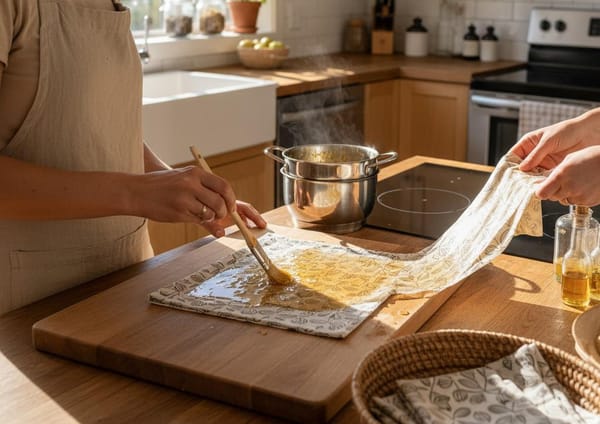
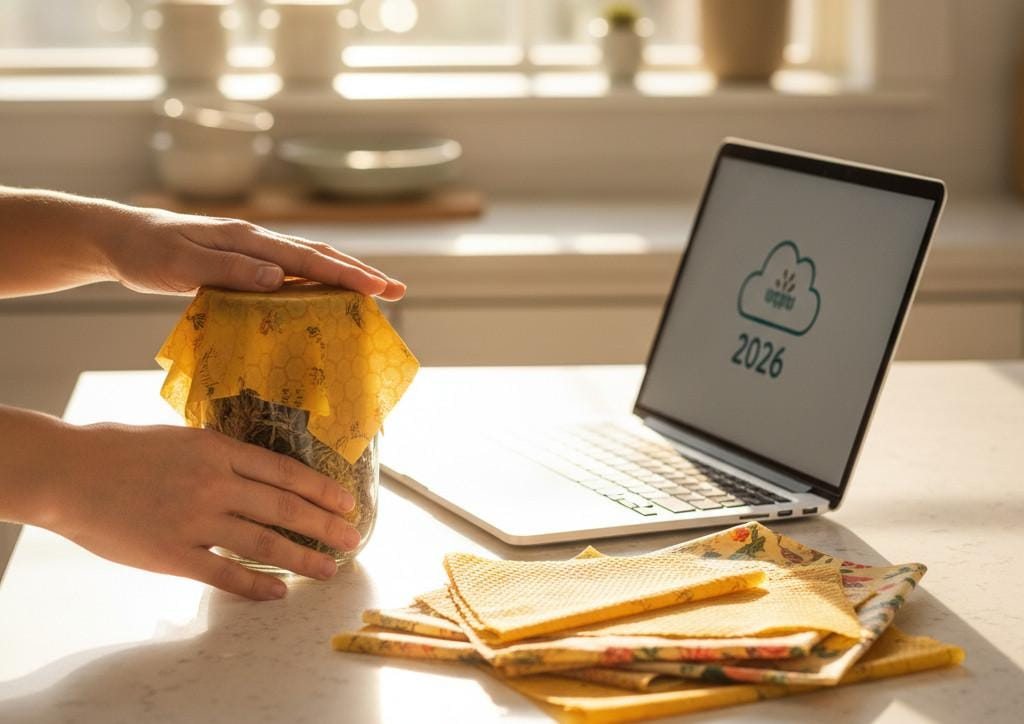
A beeswax wrap is an easy eco-friendly wrap that helps you store food without plastic. As the world looks for sustainable food storage, this simple cloth coated with beeswax, resin, and oil offers a reusable, breathable option that keeps snacks, produce, and leftovers fresh. Because it replaces single use cling film and plastic wrap, it reduces waste and looks good on the counter.
Why it matters
Small changes matter. Using a sustainable food storage method like beeswax wraps saves resources over time. They are washable, compostable at end of life, and gentler on the planet. Moreover, they come in bright patterns and sizes, so you can match them to snacks, bowls, or sandwiches. Whether you are zero waste curious or already committed, beeswax wraps provide a friendly, practical step forward.
Read on to learn how to make, care for, and pick the right beeswax wrap for your kitchen. This guide will give clear steps, tips, and reasons to switch.
Beeswax Wrap Benefits
Choosing beeswax wraps brings real gains for the planet, your health, and your wallet. Below are clear, compelling advantages that make this eco-friendly wrap an easy swap for single use plastic wrap.
Environmental benefits
- Cuts plastic waste: Because beeswax wraps are reusable, they reduce the amount of single use plastic ending up in landfills and oceans. For more on replacing cling film, see this article.
- Biodegradable end of life: When worn out, wraps made from natural cotton and beeswax break down far more gently than plastic.
- Lower carbon footprint: Producing a set of reusable wraps costs less energy and resources over time than continually buying plastic film, which helps slow resource depletion.
Health benefits
- Fewer chemicals near food: Beeswax wraps use natural wax, tree resin, and oil, so you avoid additives and plastic residues that sometimes migrate from cling film.
- Breathable freshness: The wraps let food breathe, which can keep cheese and produce fresher longer and reduce food waste.
Economic benefits
- Save money long term: A handful of wraps replaces countless rolls of plastic wrap, so you spend less over months and years. Learn how to use them in everyday kitchen life at this guide.
- Durable and repairable: Small nicks can often be fixed with a little extra wax, extending lifespan much longer than single use options.
Emotional resonance
Using beeswax wraps feels like a small, powerful act of care for the planet. Each time you cover a bowl or wrap a sandwich you choose regeneration over waste. That daily decision accumulates into a cleaner kitchen, quieter landfills, and healthier seas. For more on why to choose wraps instead of plastic, read this article.
Switching to beeswax wraps is simple, satisfying, and meaningful. Small swaps add up to big change.

Beeswax wrap: Practical use and care tips
Using a beeswax wrap is simple, and small habits help it last longer. Below are easy, friendly tips to keep your eco-friendly wrap working well for months and to support sustainable food storage in your kitchen.
Cleaning
- Wipe or rinse after use: Use cool or lukewarm water and mild soap. Never use hot water because heat can melt the wax.
- Gently scrub: A soft sponge removes crumbs and oils without damaging the fabric.
- Air dry flat: Let wraps dry completely before folding or storing to prevent mildew.
Storing
- Fold loosely: Avoid tight creases to preserve the wax coating.
- Keep in a drawer or breathable box: Store away from direct heat and sunlight so wax stays stable.
- Separate by size: Stack small wraps with small items and larger wraps for bowls to find them quickly.
Maximizing lifespan
- Use for dry and semi-moist foods: Wrap bread, cheese, fruit, and bowls. Avoid raw meat or very hot foods to prevent contamination and wax wear.
- Refresh with extra wax: If a wrap starts to lose grip, gently reapply beeswax and melt it in the oven or with a warm iron for an easy DIY fix.
- Rotate and repair: Use wraps in rotation to spread wear. Patch small holes with extra wax to extend life.
These simple steps make your beeswax wrap a reliable, charming eco-friendly wrap. Try them and enjoy fresher food with less waste.
Beeswax wrap comparison: Beeswax wrap versus Plastic Wrap and Other Alternatives
For easy comparison, the table below shows how beeswax wrap stacks up against plastic wrap, aluminum foil, and silicone wrap for sustainable food storage and eco friendly wrap choices. Use it to pick the best option for your kitchen, so you can reduce waste.
| Wrap type | Environmental impact | Reusability | Cost | Health safety |
|---|---|---|---|---|
| Beeswax wrap | Low waste, biodegradable at end of life, made from renewable materials | Reusable for months to years with gentle care; repairable | Moderate upfront cost but saves money over time | High when used properly; natural wax, avoid raw meat and hot foods |
| Plastic wrap | High waste, not biodegradable, contributes to landfill and ocean pollution | Mostly single use; limited recycling | Low per roll but recurring expense | Lower safety when heated; potential chemical migration |
| Aluminum foil | Recyclable when clean but energy intensive to produce | Mostly single use; can be reused occasionally | Low to moderate recurring cost | Generally safe; avoid long term use with acidic foods |
| Silicone wrap | Lower long term waste than plastic; durable but energy used to make silicone | Highly reusable for years | Higher upfront cost; cost effective over time | High if food grade; handles heat well but check quality |
CONCLUSION
A beeswax wrap offers a simple, beautiful way to move toward sustainable food storage. It replaces single use plastic, keeps food fresh, and fits easily into daily routines.
Across benefits, you gain environmental wins, health advantages, and long-term savings. Because wraps are reusable, biodegradable, and repairable, they reduce plastic waste and lower your kitchen's footprint. Moreover, breathable wraps help food last longer, which means less wasted food.
Using and caring for wraps is straightforward. Clean with cool water, store out of heat, and refresh with extra wax when needed. Small repairs extend life and deepen the value of this eco-friendly wrap.
Make the switch today. Try one wrap for snacks or cover a bowl. As you adopt these small habits, you help build cleaner landfills and healthier oceans. Start now and enjoy fresher food with less waste.